
50 years of Changing lives
The Beginning of a Legacy
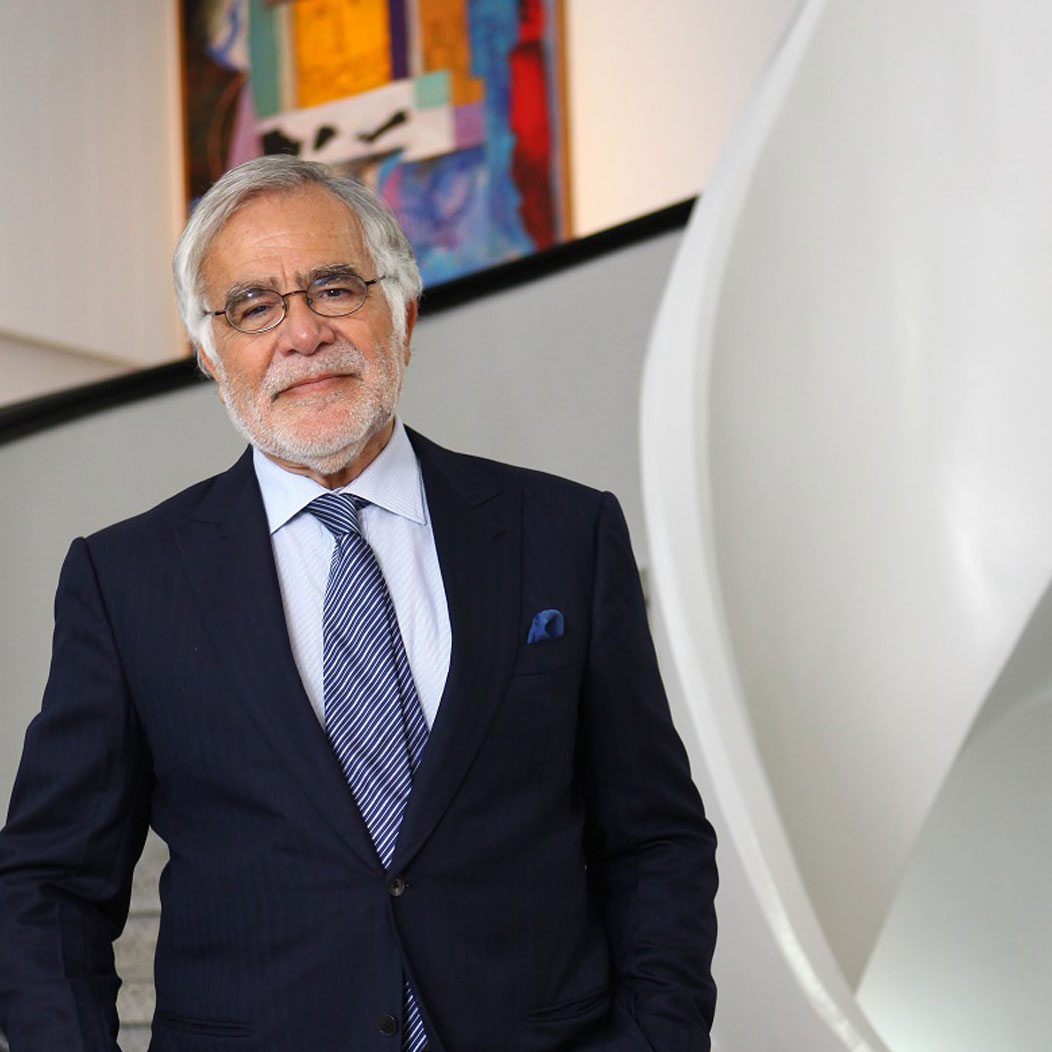
Dr. Andreas Pittas, born in Limassol in April 1943, embarked on a remarkable journey that would reshape Cyprus' pharmaceutical landscape. After completing his medical studies in Austria, he pursued advanced degrees in pharmacology and pharmaceutical medicine, followed by studies in business administration and marketing. In 1976, amidst the challenges following the Turkish invasion of Cyprus, Dr. Pittas founded Medochemie with a vision to provide affordable and high- quality medicines to patients worldwide. Starting with just eight employees and three machines, his determination and commitment laid the foundation for what would become one of Cyprus' leading pharmaceutical companies.
Under his leadership, Medochemie grew from a modest operation into a global player in the pharmaceutical industry. The company's success is a testament to Dr. Pittas' firm belief in the power of innovation, quality.
The Beginning of a Legacy
A decade defined by vision, persistence, and purpose. This is where Medochemie’s principles of quality and accessibility took shape, setting the groundwork for decades of growth to come.
1976
- Medochemie founded by Dr Andreas Pittas
1979
- First exports to Middle East (Lebanon, Iraq) and Far East (Malaysia)
1981
- Completion of the 1st Manufacturing Facility in Limassol, Cyprus
1985
- Exports in 36 countries
- Awarded with the Exports Award by the Ministry of Commerce and Industry for the year 1983
A period of rapid evolution and bold international reach. Strengthened by innovation and regulatory excellence, Medochemie began to establish itself as a trusted partner across continents.
1989
- Expansion with the establishment of a new manufacturing facility for injectables
1990
- Certified with the EU GMP (Good Manufacturing Practices)
- Regulatory Affairs Department reinforced to facilitate the registration of the company’s products throughout Europe
1991
- Acquisition of Derek Marketing PTE Ltd in Singapore
1992
- Establishes offices in Russia and Hong Kong
- Registers its first medicines in the Czech Republic and begins exports to Bulgaria.
1994
- Establishes offices in Romania and Slovakia
Growth became global. Through strategic expansion, acquisitions, and new facilities, Medochemie matured into a truly international organisation with firm roots in Europe and Asia.
1996
- Establishes office in Yugoslavia
- Strategic expansion with 2 new manufacturing facilities in Cyprus
1998
- Establishes offices in Vietnam, Ukraine and Greece
2001
- Acquisition of FAL Duiven B.V. in The Netherlands, enabling access to the European Union
- Registration of the first medicines in Denmark, Netherlands, Belgium and Germany
- Operates offices in Netherlands, Lithuania and Kazakhstan
2004
- New office establishment in Latvia and Moldova
With quality systems reaching global standards, Medochemie entered a phase of consolidation and credibility, earning recognition as a model of European pharmaceutical excellence.
2011
- Operates the 1st EU GMP compliant manufacturing unit in Vietnam
2012
- “Model European Pharmaceutical Company" by the Cypriot Presidency of the EU
2014
- Establishes office in Jordan
Innovation defined this era. From cutting-edge R&D to new manufacturing capabilities, Medochemie continued its commitment to accessible healthcare, expanding its impact worldwide.
2017
- Operates the 2nd EU GMP compliant manufacturing site in Vietnam
2018
- Significant financial investment for the development of a new state of the art R&D unit
- Operates the 3rd EU GMP compliant manufacturing site in Vietnam
2024
- Operates the 4th and 5th EU GMP Manufacturing sites in Vietnam
Medochemie stands as a global player grounded in decades of expertise yet driven by forward-looking ambition. The company continues to expand responsibly, investing in innovation, talent, and sustainability while preserving the pioneering spirit that shaped its foundation.
- Over 2,000 employees worldwide
- 10 Therapeutic categories
- 500 product combinations
- Exports to more than 120 countries
- “Cyprus Exports Awards for Industry” - 13 times
- "Cyprus Special Exports Award" - 2 times
Medochemie Today
Building on decades of vision, innovation, and dedication, Medochemie today stands as a leading global pharmaceutical company. With a presence in multiple countries and a diverse portfolio spanning numerous therapeutic areas, we continue to deliver high-quality, reliable medicines that improve the lives of patients worldwide.
Our growth reflects not only the strength of our products but also our commitment to people, from our employees and partners to the communities we serve. Guided by our values of excellence, integrity, and sustainability, Medochemie combines cutting-edge research with responsible practices, ensuring that healthcare innovation goes hand in hand with social and environmental stewardship.
Today, Medochemie is more than a company; it is a trusted partner for patients, healthcare systems, and countries around the world, carrying forward the legacy of our founder while shaping the future of medicine.
Art through the lens of science
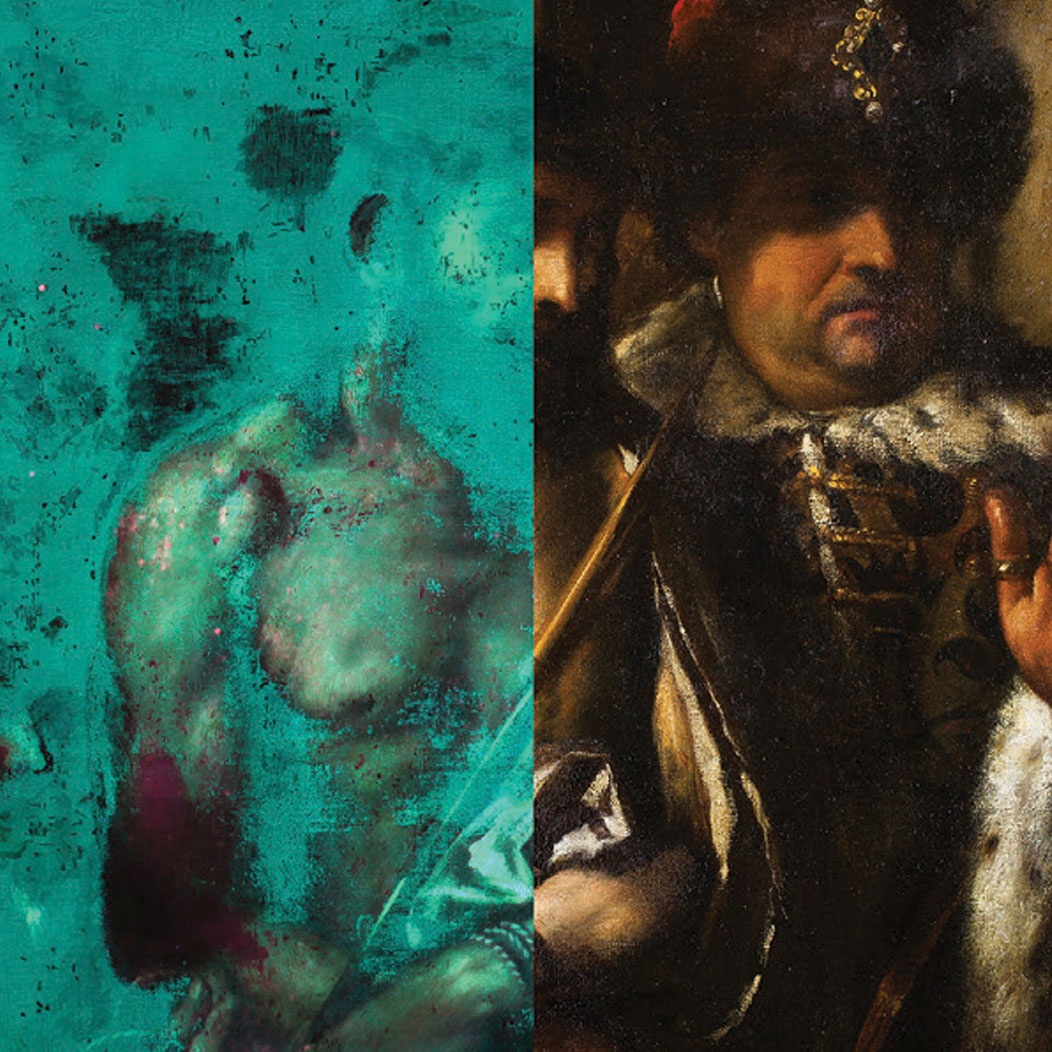
Dr Andreas Pittas' impact, extends far beyond his entrepreneurial talent. What has consistently defined his path is a sincere and enduring passion for art, history, and culture. Dr Pittas envisioned and established, in 2019, the Andreas Pittas Art Characterization Laboratories at The Cyprus Institute. Today, APAC laboratories are globally recognized as one of the most advanced and specialized centres in the field of art science, firmly placing Cyprus on the global map of research and cultural innovation.
In a space where science meets art, the Laboratories apply advanced techniques in imaging, and material microanalysis, making substantial contributions to the documentation, authentication, conservation, and interpretation of artworks and archaeological objects. The importance of the work carried out at the Andreas Pittas Art Characterization Laboratories was recently highlighted through the revelation of new findings in the renowned painting Ecce Homo (1570) by the Renaissance master Titian. Through specialized techniques of analysis and conservation, the Laboratory's scientific team uncovered previously unknown aspects of the masterpiece, demonstrating how technology can serve the understanding and safeguarding of art.